Three Survival Phases in Poker.
Why tournament players lose not from bad luck, but because they do not know which phase of the event they are in.
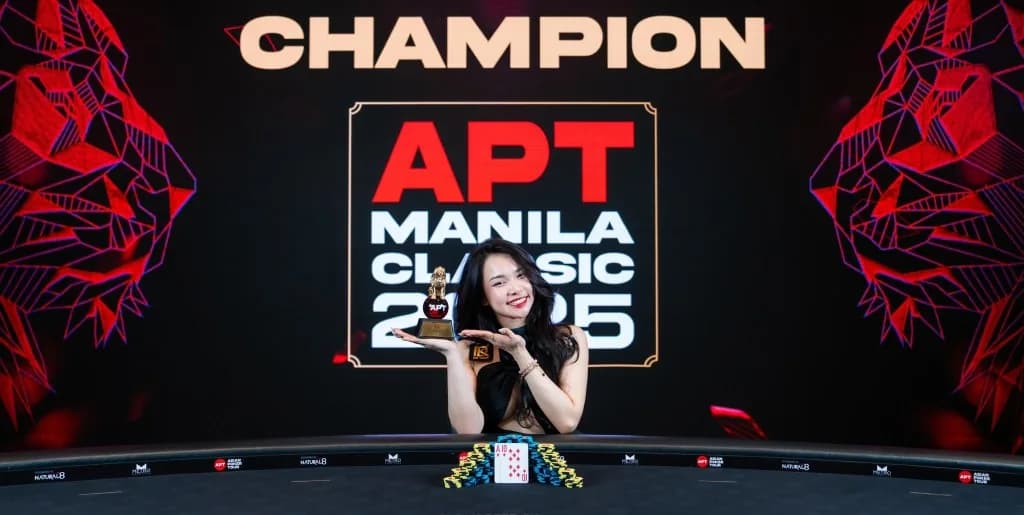
Ninety-nine percent of poker players who lose tournaments do not lose because they lack luck. They lose because they do not understand the three survival phases of a poker tournament.
In a tournament, you are not only playing cards. You are moving through three tests: discipline, emotion, and nerve. That is also the spirit in BenCB's Raise Your Edge coaching philosophy: to go far, you must know which part of the tournament you are in.
Phase 1 is the early stage. Blinds are still small, stacks are still deep, and everyone is energized. This is exactly when many players eliminate themselves.
New players often play too many hands. They think they must act constantly to win fast. Strong players do the opposite. They are patient, choose hands carefully, keep their stack healthy, and only take chips when the spot truly deserves it.
This phase is like running a marathon. If you burn everything in the first few kilometers, you collapse before the real race begins. Do not hunt highlights. Do not force fancy lines. Do not perform flashy hands. Look for stability. A tournament is a longer fight than your ego.
Phase 2 is the bubble. Near the money means near emotion. Only a few more bust-outs and you are in the money. That feeling makes the heart beat faster, the hands shake more, and the head run hotter.
Some players fear losing and tighten up too much. Others want to win fast and shove recklessly. Both are wrong. The bubble does not reward fear. It also does not reward recklessness.
Strong players do not play on emotion. They watch the table, notice who is scared, who is heated, who only wants to survive. Then they choose the right moment to take chips gently from other people's fear.
The bubble lesson is simple: do not let emotion drive. Poker is a game of a cool head and a hot heart - but both must stay under control.
Phase 3 is the final table. Once you reach it, everything gets magnified: lights, audience, prize money, cameras, and the voice inside your head.
Players who are unprepared lose confidence. They fold wrong, call wrong, shove wrong, and do not understand why they made those decisions. At this point, the biggest opponent is no longer the person across the table. The biggest opponent is pressure.
Strong players understand that the final table is no longer a luck race. It is a fight of mindset, technique, and nerve. They stay calm, stay focused, and make decisions with reasons. Win or lose, they know they followed the process.
Keep your nerve. Do not let the spotlight blur your vision. The final table does not need a performer. It needs someone clear enough to do the right thing in the heaviest moment.
Poker does not reward recklessness. Poker rewards the player who knows where they are on the journey.
Early stage needs discipline and durability. Mid-tournament needs calm and resilience. Near the finish needs nerve and decisiveness.
When you understand these three phases, you do not only play poker better. You grow in how you make decisions: knowing when to wait, when to strike, and when to stand firm under pressure.
Comments
No comments yet.
Be the first to share your take on this piece.